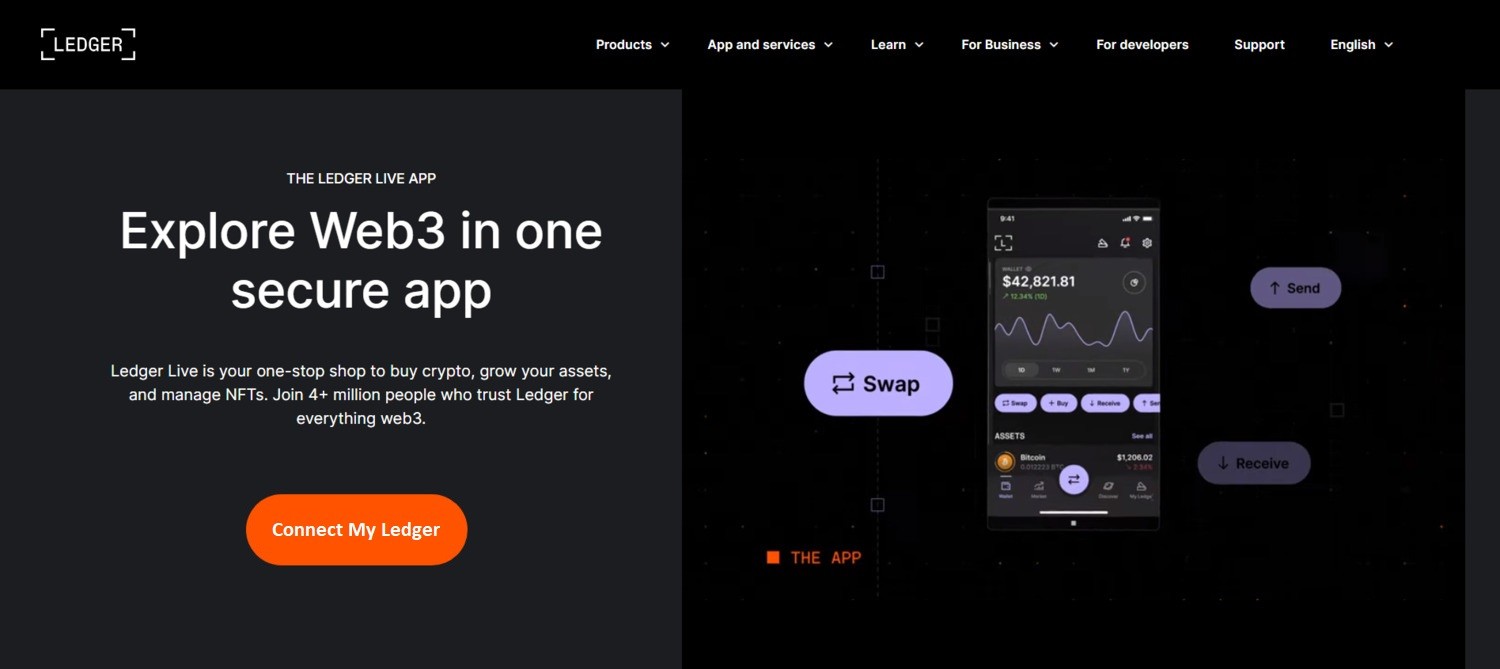
Ledger.com/start: A Complete Guide to Setting Up and Securing Your Ledger Hardware Wallet
Setting up a hardware wallet is one of the most important steps any cryptocurrency holder can take to secure their digital assets. Ledger, a global leader in hardware-wallet security, provides users with a simple but highly secure process to initialize their device through its official onboarding portal, Ledger.com/start. Whether you just purchased a Ledger Nano S Plus, Ledger Nano X, or another Ledger device, this guide is designed to walk you through everything you need to know—what Ledger.com/start is, why the setup process matters, what to expect, security steps, common mistakes, and ongoing best practices.
This article offers a complete, detailed breakdown of the setup journey, ensuring that beginners and experienced users alike can follow along confidently and safely. The focus here is on clarity, completeness, and safety—without linking to any external websites.
What Ledger.com/start Is and Why It Matters
Ledger.com/start is the official entry point for onboarding and setting up any Ledger hardware wallet. When users purchase a Ledger device, they are instructed to visit this portal to begin the initialization process. The page guides you step-by-step, including unboxing instructions, authenticity checks, how to install Ledger Live (the companion software used to manage your crypto portfolio), and how to properly generate and store your recovery phrase.
The significance of using Ledger.com/start cannot be overstated. It is intentionally designed to help users avoid counterfeit sites, fraudulent downloads, and phishing traps that are unfortunately common in the crypto space. By guiding users through the correct setup process, Ledger.com/start helps create a safe foundation for protecting digital assets.
Why Hardware Wallets Are Essential
Before diving into the setup, it’s important to understand why hardware wallets exist and why Ledger urges its users to begin at the correct portal.
A hardware wallet stores private keys offline. These keys are essentially the secret codes that allow users to access and manage their cryptocurrency holdings. When private keys are stored on a computer or mobile phone—whether in exchange accounts or software wallets—they are exposed to online risks such as malware, phishing, and hacking attacks.
A hardware wallet solves this by isolating private keys from the internet entirely. Ledger devices are built with secure elements, cryptographic protections, and a trusted firmware system. Even if the computer you use to manage the device is compromised, transactions cannot occur without physical confirmation on the hardware wallet itself. Ledger.com/start ensures that you initialize the device correctly, with no shortcuts or security compromises.
What You Need Before Visiting Ledger.com/start
Before beginning the setup process, make sure you have:
A brand-new Ledger hardware wallet in sealed packaging.
A USB cable or Bluetooth-capable device (depending on your model).
A computer or smartphone that you trust and that is free of suspicious software.
A private space with no cameras, people watching, or interruptions.
A pen and paper, or a metal recovery-phrase plate, to record your 24-word seed phrase.
Once you have these basics ready, you are prepared to begin the onboarding process.
Unboxing and Authenticity Checks
When you unbox your Ledger wallet, examine the packaging carefully. It should be sealed, properly branded, and untampered. Ledger devices never come with a pre-generated recovery phrase. If you find a recovery sheet already written out, the device is compromised and should not be used.
Inside the box, you will typically find:
The Ledger device
A USB cable
A set of blank recovery sheets
Quick-start documentation
Additional accessories depending on the model
Authenticity is a crucial part of the setup process. Ledger hardware wallets are designed so that even if the packaging appears normal, the device must pass a built-in authenticity verification during setup. Ledger.com/start will guide you through how to check that your device is legitimate using Ledger Live.
Installing Ledger Live
Ledger Live is the official management software for all Ledger devices. It is used to:
Initialize the wallet
Update firmware
Install cryptocurrency apps
Create and manage crypto accounts
Send and receive transactions
Manage tokens, NFTs, and other supported assets
Monitor balances and portfolio performance
Downloading Ledger Live only through the official onboarding portal is essential. Counterfeit versions of the app can compromise your private keys. Ledger.com/start ensures that you download the correct and safe application for your operating system.
Once installed, Ledger Live will guide you through connecting your device for the first time.
Creating a New Wallet and PIN Code
When you first turn on your Ledger device, you will be prompted to set up a new wallet. This includes creating a secure PIN code—typically between four and eight digits. This PIN is required every time you use your device.
Choosing a secure PIN is important:
Avoid common combinations
Avoid birthdays or easily guessed numbers
Do not write it down in obvious places
Do not share it with anyone
The PIN helps protect your device if someone gains physical access to it.
Generating Your Recovery Phrase
The most important part of the setup process happens next: generating your recovery phrase. The device will display a sequence of 24 words. This phrase is the only backup that can restore your wallet if the device is lost, damaged, or stolen.
Key rules for your recovery phrase:
Write the words down in the exact order.
Never take a photo of it.
Never store it in cloud storage or on a computer.
Never share it with anyone.
Never type it into any website or software.
Your recovery phrase is the master key to your crypto. Anyone who has it has full control of your assets. Ledger support representatives will never ask for it, and any message or site that requests it is a scam.
During setup, you will be asked to confirm the words in the correct order. This ensures that you wrote everything correctly.
Installing Cryptocurrency Apps on the Device
After generating your recovery phrase, Ledger Live will guide you into installing cryptocurrency apps directly onto your hardware wallet. Each blockchain typically has its own standalone app—for example:
Bitcoin
Ethereum
Solana
Litecoin
Dogecoin
These apps allow the device to manage private keys for each respective blockchain. Ledger devices have limited storage, but apps can be removed and reinstalled without affecting your funds, since your keys remain safely stored.
Adding Accounts in Ledger Live
Once you install the necessary crypto apps on your device, you can begin adding accounts inside Ledger Live. An account is essentially your blockchain address, allowing you to receive and manage that specific cryptocurrency.
Adding an account requires you to connect your Ledger device and confirm the account creation directly on the hardware wallet. This ensures authenticity and prevents malware from creating unauthorized addresses.
Sending and Receiving Cryptocurrency
With your accounts configured, you can begin managing your assets. Ledger Live provides clear buttons for “Send” and “Receive.”
For receiving:
Ledger Live will display your public address.
The device will show the same address.
Always confirm that the address matches.
For sending:
You enter the recipient’s address and amount in Ledger Live.
You confirm the transaction on the Ledger device itself.
Only after physical confirmation will the transaction be signed and broadcast.
This two-step verification protects users from malware that could alter transaction details on their computer or phone screen.
Firmware Updates and Ongoing Maintenance
Ledger periodically releases firmware updates to enhance device performance, improve security, and expand compatibility. Ledger Live will notify you when an update is available.
When updating:
Always verify instructions
Always confirm updates on the device
Never disconnect during the update process
Regular updates ensure your hardware wallet remains secure against the latest threats.
Avoiding Common Mistakes
Many users accidentally expose themselves to risk by making easily avoidable mistakes. Here are the most common ones:
Downloading Ledger Live from unofficial sources
Sharing their recovery phrase with strangers or websites
Storing seed phrases digitally
Using pre-initialized or tampered devices
Failing to confirm addresses on the device screen
Leaving their device unlocked or in public places
Avoiding these mistakes significantly increases long-term safety.
Practicing Long-Term Security with Your Ledger Wallet
Once your wallet is set up, maintaining good security habits is essential. Best practices include:
Keeping your recovery phrase stored offline in a secure physical location
Using a metal backup plate if longevity is a concern
Enabling strong PIN protection
Regularly updating firmware
Being cautious about phishing attempts
Never giving remote access of your computer to “support agents”
Keeping your device physically secure
A hardware wallet protects your private keys, but personal vigilance is equally important.
Conclusion
Ledger.com/start serves as the official and trusted portal for safely initializing any Ledger hardware wallet. By guiding users step-by-step through setup—unboxing, verifying authenticity, installing Ledger Live, generating a recovery phrase, adding accounts, and learning security best practices—it ensures that every Ledger user begins their journey with strong security foundations.
A Ledger device combined with the correct setup process provides one of the safest ways to store cryptocurrency. Whether you’re new to crypto or a longtime investor, following the recommended steps on Ledger.com/start helps protect your digital assets from loss, theft, or online threats.