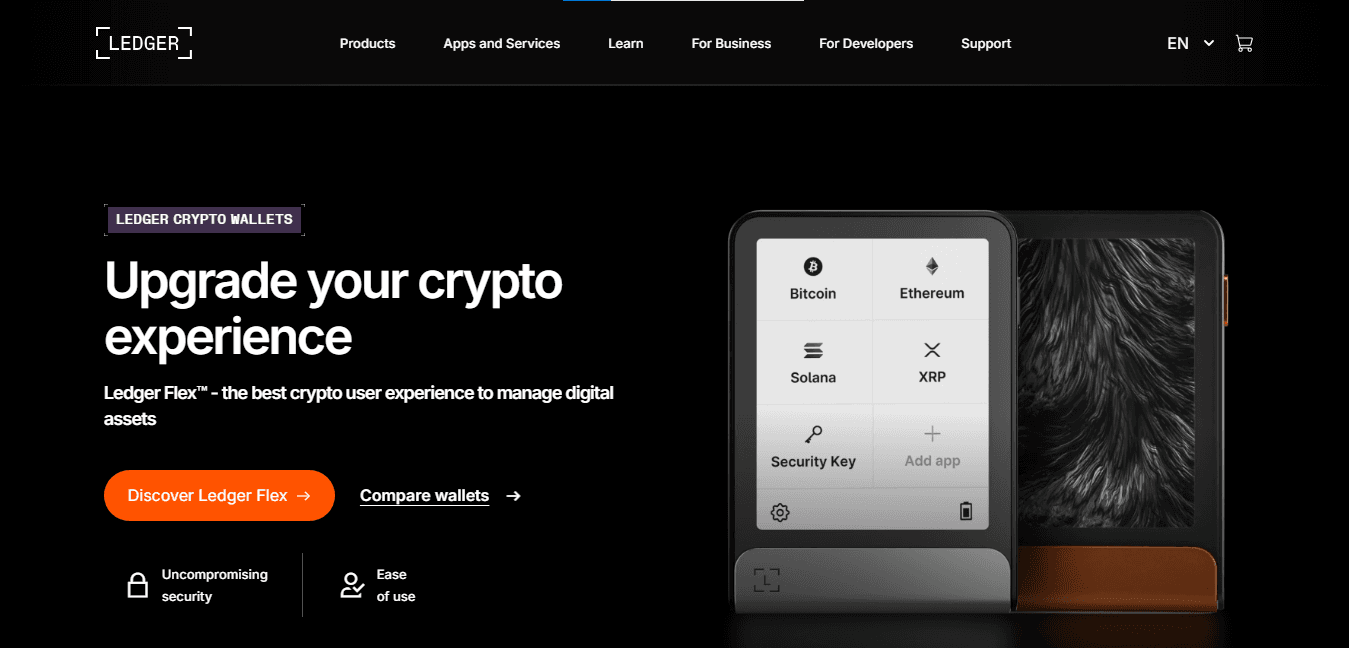
Beginner’s Guide to Setting Up and Using Your Ledger Hardware Wallet
Introduction
As digital assets grow in popularity, securing them has become one of the most important responsibilities for cryptocurrency holders. While software wallets and online exchanges offer fast access and ease of use, they also expose users to hacking attempts, phishing schemes, and malware. A hardware wallet provides a far more secure environment by storing your private keys offline—making it significantly harder for attackers to access your funds.
Ledger hardware wallets are among the most trusted tools for crypto protection. They combine offline security, user-friendly design, and broad compatibility with many digital assets. If you have just purchased a Ledger device or are considering one, this guide will walk you through everything from unboxing to performing your first transaction. The goal is to help you start safely, confidently, and without confusion.
1. Understanding What a Ledger Hardware Wallet Does
A Ledger device is a small electronic tool designed to store your private keys within a secure chip that is isolated from internet-connected devices. Because private keys represent ownership of crypto assets, keeping them offline dramatically increases your security.
When you perform a crypto transaction—whether sending, staking, or signing a smart contract—your Ledger validates the request and signs it internally. The private key never leaves the device. Your connected computer or phone only acts as the interface, while the Ledger handles the critical security operations.
Key benefits include:
Offline key storage: Reduces exposure to hacks and malware.
User-controlled assets: You—not an exchange—own the keys.
Tamper-resistant hardware: Built with security-grade components.
Compatibility with many assets: Supports a long list of coins and tokens.
Functional interface: Works with a companion app to manage your accounts.
Understanding this foundation makes the rest of the setup process easier and more meaningful.
2. Unboxing Your Ledger Device
When you open the box of your new Ledger hardware wallet, you should see the device itself, a USB cable, instruction materials, and recovery phrase cards. Some versions include additional accessories, depending on the model.
Before beginning setup, take a moment to inspect the packaging. It should look sealed and professional. The device must not come with a pre-written recovery phrase under any circumstances. The recovery phrase should always be generated by the device itself during setup. If anything appears suspicious, do not proceed until you confirm that the product is legitimate.
3. Powering On and Beginning Setup
Once you're ready, connect your Ledger device to your computer using the included cable or turn it on if it has internal battery power. The small screen on the device will guide you through initial prompts.
You will be asked whether you want to set up a new device or restore an existing one. Choose setting up as a new device unless you already have a recovery phrase from a previous wallet and want to regain access.
Using the device buttons, navigate through the prompts. Pressing both buttons simultaneously typically confirms your selection.
4. Generating and Storing Your 24-Word Recovery Phrase
The recovery phrase—also known as a seed phrase—is the most important part of your hardware wallet setup. This list of 24 words acts as a master key to your entire wallet. If your device is lost, damaged, or reset, you can restore access using this exact sequence.
During setup, your Ledger will display the 24 words one at a time. Write them down neatly and accurately using the provided recovery sheets or on another secure material. The order must remain unchanged.
Strong safety practices include the following:
Do not store the recovery phrase digitally.
Avoid taking photos, typing it into cloud storage, or saving it on devices connected to the internet.Keep it in a secure and private location.
Consider placing it in a fire-resistant safe or storing multiple physical backups in different places.Never share the phrase with anyone.
No company, support agent, or individual should ever ask for it. Anyone who obtains these words can access your assets.
Once the device displays all 24 words, it will ask you to confirm a few of them to verify accuracy. This is a crucial step to ensure that you wrote the phrase correctly.
5. Setting a PIN Code
After securing your recovery phrase, you will be prompted to create a PIN code. This PIN protects your device from unauthorized use.
Choose a PIN that is easy for you to remember but not easily guessed by others. The length will depend on your model, typically four to eight digits. Each time your Ledger is connected or woken from sleep, you will need to enter this PIN.
If someone tries to guess the PIN and enters it incorrectly too many times, the device will reset itself to protect your private keys. Your crypto remains safe as long as your recovery phrase is secure.
6. Installing the Ledger Companion App
Once your Ledger device is set up, your next step is using the companion application designed to manage your accounts and digital assets. This software allows you to install blockchain apps, add crypto accounts, check your balances, and perform transactions while ensuring the security of the device is preserved.
When you open the app for the first time, it will guide you through identifying your specific model, securing the application with a password, and performing an authenticity check on your device. This confirms that it has not been modified.
7. Adding Blockchain Apps to Your Ledger
Your Ledger hardware wallet can support many cryptocurrencies, but each blockchain requires a specific app installed on the device. These apps do not store coins; instead, they simply allow the device to understand and sign transactions for those networks.
To install blockchain apps:
Connect your Ledger device.
Open the companion software.
Navigate to the section where apps are managed.
Locate the blockchain you want to use.
Install the app while confirming the action on the device.
You can remove or reinstall apps safely at any time. Removing an app does not delete your funds because the blockchain data is stored on the network, not inside the app itself.
8. Adding Cryptocurrency Accounts
Once the appropriate apps are installed, you can add accounts for each cryptocurrency you intend to manage. Adding an account allows the companion software to synchronize with the blockchain and display your balances and transaction history.
To add an account:
Open the companion software.
Go to the accounts section.
Select the cryptocurrency type.
Open the corresponding app on your Ledger device.
Allow synchronization.
Your new account will appear with a name such as “Bitcoin 1” or “Ethereum 1.” You can rename these accounts if desired.
9. Receiving Cryptocurrency for the First Time
To receive crypto into your Ledger-secured wallet, follow these steps:
Open the companion software and select the account where you want to receive funds.
Choose the option to display a receiving address.
Verify that the address shown on your computer matches the one shown on your Ledger device screen.
This verification is a critical step that prevents malware from replacing your address with a fraudulent one. Only confirm after both addresses match.
Copy the address and use it in the platform or wallet from which you are sending crypto. Your Ledger device does not need to remain connected during the receiving process; the funds are recorded on the blockchain.
10. Sending Cryptocurrency Safely
Sending crypto from your Ledger-secured wallet is straightforward and secure:
Open the companion software and select the account from which you want to send funds.
Enter the destination address and the amount.
Review estimated transaction fees.
Confirm the transaction request on your Ledger device.
The device will display transaction details such as address and amount. Carefully verify that they are correct before approving. Once approved, the transaction is signed within the secure element and broadcast to the network.
11. Exploring Advanced Features
Ledger devices provide more than just safe storage. Once you become comfortable with the basics, you can explore advanced features that enhance the way you manage your digital assets.
Staking
Some cryptocurrencies allow staking to earn rewards. Using your Ledger device ensures that while you participate in staking, your private keys remain secured.
Swapping
Certain regions support in-app swapping between different cryptocurrencies. These swaps are convenient but always consider network fees and conversion rates before confirming.
Using DeFi and External Wallets
Ledger integrates with various third-party wallets and decentralized finance platforms. This enables you to interact with smart contracts while still using your Ledger to securely sign each transaction.
12. Ensuring Long-Term Security
Even with a secure hardware wallet, user behavior plays a crucial role in maintaining long-term protection.
Keep Your Recovery Phrase Safe
This remains the most important responsibility. Store it securely and check it periodically for legibility.
Beware of Scams
No support team or platform will ever ask for your recovery phrase. Phishing attacks may attempt to imitate official messages or websites.
Use Trusted Devices
Only connect your Ledger to computers or phones you trust and keep your software updated.
Install Updates
Firmware updates enhance security and compatibility. Only update using the official companion app and follow the instructions shown on both your computer and Ledger device.
13. Restoring Your Wallet if Needed
If you lose your Ledger device or it gets damaged, your recovery phrase allows you to restore access to your assets. Simply obtain a new Ledger device and choose the option to restore using your 24-word phrase. Once entered correctly, your accounts and balances will reappear once synchronized.
Conclusion
A Ledger hardware wallet offers one of the strongest levels of protection for digital assets. By storing private keys offline, requiring direct device approval for transactions, and integrating with a user-friendly application, Ledger provides both safety and convenience. Setting up the device—from storing your recovery phrase to installing blockchain apps—may seem detailed, but each step strengthens your security.
With careful handling and consistent attention to safety practices, your Ledger hardware wallet becomes a powerful tool for managing and safeguarding your cryptocurrency for many years to come.